Trying to choose between a townhome and a detached single-family home in Waxhaw? You want the right mix of space, control, monthly affordability, and long-term value. In the next few minutes, you’ll learn how to compare real ownership costs, understand HOA dynamics, and decide which lifestyle fits you best in this Union County suburb. Let’s dive in.
Waxhaw housing at a glance
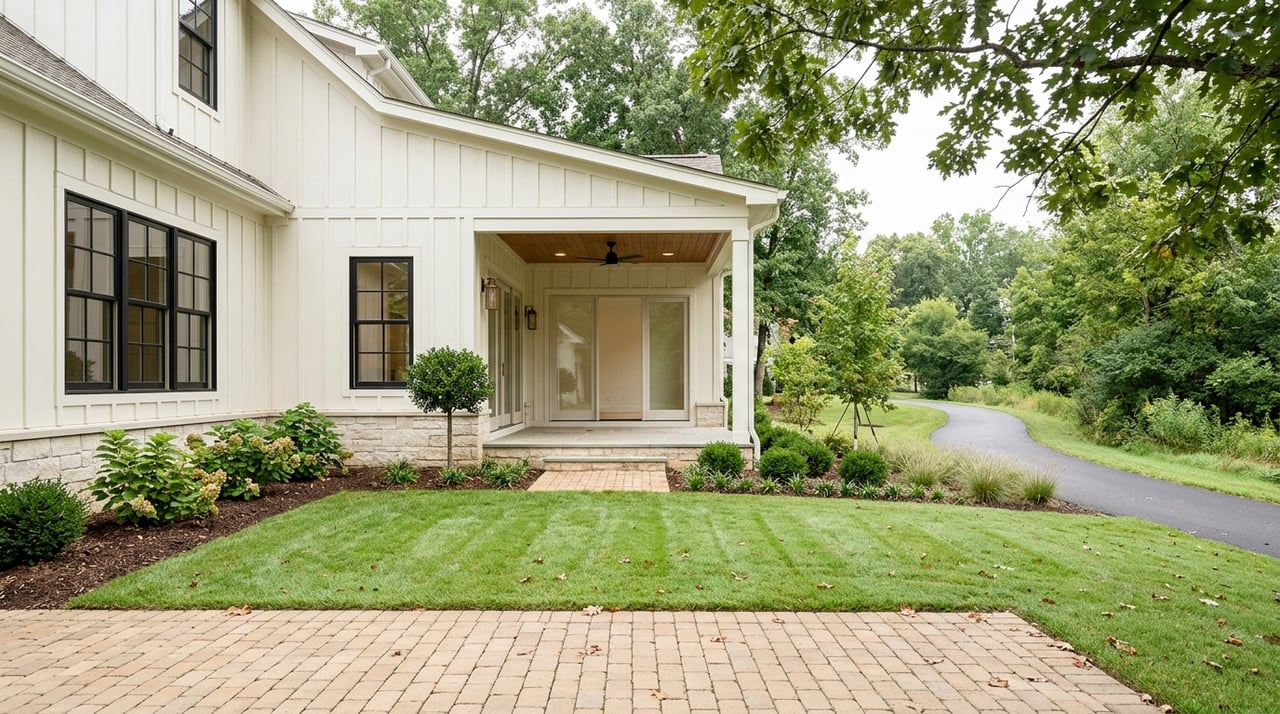
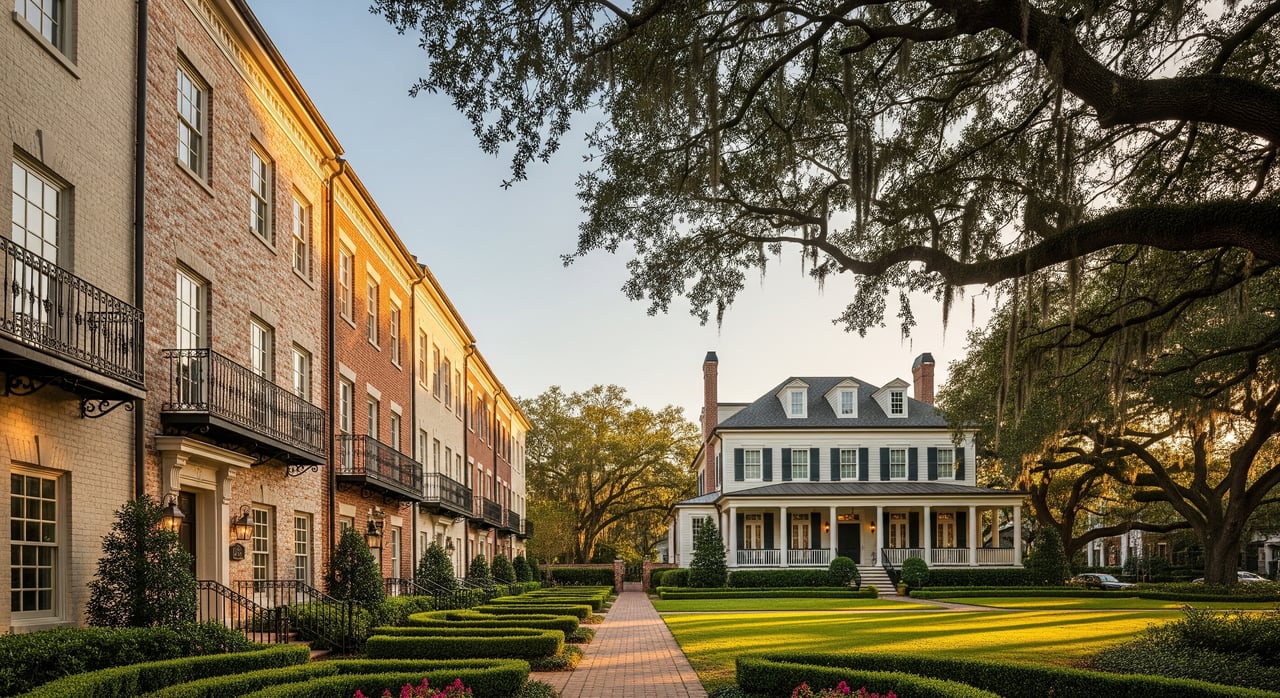
Waxhaw sits just south of Charlotte with a blend of historic downtown homes, newer single-family subdivisions, and planned communities that include townhomes. Many neighborhoods built over the last 10 to 20 years appeal to commuters and buyers seeking larger lots compared with in-town Charlotte.
Value in Waxhaw is often shaped by a few key factors: proximity to downtown Waxhaw and highway connections, the zoning and reputation of local schools, lot size and privacy, and the quality of neighborhood amenities. As the area grows, new infrastructure and planned developments can influence demand over time.
Total cost comparison
Your decision should center on total monthly cost, not just list price. Build an apples-to-apples comparison that includes the items below.
Purchase price and financing
- Townhomes often have a lower entry price than detached homes in the same area, which can reduce your down payment.
- Some loan types require extra checks for HOA-heavy communities. Start lender conversations early if you’re eyeing attached housing.
Property taxes and assessments
- Property tax is based on assessed value. Detached homes on larger lots often carry higher assessments than attached units.
- Ask about special assessments that may appear on tax bills or as separate charges.
HOA fees and what they cover
- Townhome communities commonly include: common-area landscaping, exterior maintenance in some setups, amenity care, insurance for shared elements, trash service in some associations, and reserves.
- Dues can vary widely based on services and amenities. Compare what the HOA covers to what you’d pay out of pocket for a detached home, such as lawn care or exterior painting.
Insurance differences
- Detached single-family: you insure the full structure plus liability.
- Townhome: coverage depends on the legal structure. Many owners carry an HO-6 or tailored policy for interiors and liability. The HOA’s master policy may cover common elements or even the building shell. Ask your insurance pro for quotes on both product types.
Utilities and operating costs
- Townhomes sometimes include trash or water in HOA dues. Detached homes typically have separate yard irrigation and larger heating and cooling loads due to size.
- Confirm any municipal utility or stormwater fees tied to the lot.
Maintenance and replacements
- Townhome owners may spend less directly on exterior work but should plan for HOA fee increases or special assessments over time.
- Detached owners handle all exterior care: landscaping, roof, gutters, paint, fencing, driveways, and more. Budget with a maintenance reserve based on the home’s age and systems.
Other recurring and transactional costs
- Townhome buyers should check for HOA transfer or resale disclosure fees and any rental restrictions.
- Detached owners might hire lawn or snow services if not DIY.
Lifestyle and maintenance
Who handles what
- Townhome in an HOA: the association often maintains common areas and, depending on the setup, some or all of the building exterior. You’ll generally handle interior systems and any limited common elements tied to your unit.
- Detached single-family: you handle everything inside and outside, including the yard, roof, gutters, and exterior finishes.
Time vs money
- Townhomes reduce the time you spend on exterior chores, though you rely more on HOA management and budgets.
- Detached homes require more hands-on care or contractor help, but you have greater control and flexibility.
Age and construction
- Newer communities may have lower near-term maintenance but shorter track records for HOA reserves.
- Older or historic homes can carry higher upkeep needs yet may offer larger lots or unique character.
Privacy, security, and noise
- Townhomes share walls and are often closer together, which can mean more noise transfer and less private outdoor space.
- Detached homes typically offer more separation. Privacy still depends on the lot, orientation, and nearby roads.
HOA essentials to review
Understanding the HOA is just as important as touring the home. Ask for these documents and look for the signals below.
Governance and rules
- Review CC&Rs, bylaws, rules and regulations, meeting minutes, and insurance certificates.
- Note rental caps, pet rules, architectural guidelines, parking, and amenity policies.
Financial health
- Ask for the current budget and reserve study. Healthy reserves suggest fewer surprises for big-ticket items.
- Watch for postponed maintenance or frequent special assessments.
Insurance and your exposure
- Confirm whether the master policy covers the full structure or only common elements.
- Consider loss assessment coverage if the association’s deductible can be passed through to owners.
Lending and legal considerations
- Some lenders review HOA status and ratios of owner-occupants to renters. Pending litigation can affect financing.
- In North Carolina, planned communities and condominiums follow specific statutes. Consider legal review if you spot complex issues.
Long-term value and fit
Townhomes: who they suit
- You want a lower entry price and less exterior maintenance.
- You prioritize proximity to amenities over private yard size.
- You’re comfortable budgeting for HOA dues and potential assessments.
Detached homes: who they suit
- You value private outdoor space and more freedom to improve the property.
- You want control over maintenance decisions and aesthetics.
- You can plan for higher taxes, insurance, and upkeep.
Resale in Waxhaw
- Resale strength often hinges on micro-location, lot quality, and condition.
- Well-managed townhome communities with desirable amenities can resell well, though rental caps or assessments can affect the buyer pool.
- Detached homes may draw demand tied to lot size, privacy, and outdoor living features.
Build a total-cost worksheet
- Purchase price and estimated mortgage payment
- Property tax estimate
- Homeowners insurance estimate
- HOA dues and any transfer or disclosure fees
- PMI if applicable
- Average utilities and trash
- Monthly maintenance reserve
- Expected capital items over your ownership window, such as roof or HVAC
Touring and due diligence
Pre-tour research
- Pull recent comparable sales for both townhomes and detached homes in your target neighborhoods.
- Request the HOA package before writing an offer or as early as possible.
- Look up preliminary tax and parcel details.
Key documents to request
- Seller property disclosure and repair history
- HOA CC&Rs, budget, reserve study, insurance declarations, and recent meeting minutes
- Recent utility bills and maintenance invoices if available
What to look for on tours
- Townhomes: sound transfer, rooflines and gutters, party-wall areas, and overall condition of common areas and amenities.
- Detached: drainage and grading, roof and exterior condition, large trees near structures, driveway or retaining walls, and any septic system.
- Both: HVAC age, water heater, electrical panel capacity, foundation or settlement signs, and deferred maintenance.
Questions for the HOA or seller
- What do the dues cover exactly, including roof, siding, windows, and insurance?
- Are any special assessments planned or pending?
- What is the delinquency rate among owners?
- Are there rental caps or restrictions?
- How often have dues increased over the last five years?
Agent-led decision process
- Step 1: Compare side-by-side comps and total-cost worksheets for representative properties.
- Step 2: Review HOA packages early to flag fees, rules, and reserve strength.
- Step 3: Tour at least one townhome and one detached home in similar price bands and locations.
- Step 4: Gather inspection estimates plus insurance and utility quotes to refine numbers.
- Step 5: Rank your priorities, such as yard size, privacy, commute, amenities, and flexibility.
Which should you choose?
If you want a lower upfront price and less exterior upkeep, a townhome can make Waxhaw living accessible with predictable routines. If you want privacy, outdoor space, and more control over improvements, a detached home may serve you better, as long as you plan for higher ongoing costs. The right answer depends on your budget, time, and how you want to live day to day.
When you want a clear, numbers-first comparison and neighborhood guidance from a local expert with 20 years in the Charlotte suburbs, reach out to Lisa Bass. You’ll get consultative support, vendor introductions, and a step-by-step plan to choose with confidence.
FAQs
What do HOA fees usually cover in Waxhaw townhome communities?
- Dues often cover common-area landscaping, some exterior maintenance, amenity care, insurance for shared elements, trash in some cases, and reserve funding. Always verify specifics in the HOA documents.
How do property taxes differ for townhomes vs detached homes in Union County?
- Taxes are based on assessed value. Detached homes with larger lots often carry higher assessments, while attached units may be lower. Confirm current rates and assessments for each property.
What insurance policy do I need for a Waxhaw townhome?
- Many owners carry an HO-6 or tailored policy that covers interiors and liability, while the HOA’s master policy handles common elements or the building shell. Ask for the HOA insurance certificate to define your coverage needs.
Are townhomes harder to finance than detached homes?
- Not necessarily, but some loan types review HOA status and rules. Start with a lender early if you are considering an attached product to confirm eligibility and any HOA requirements.
How do I compare total monthly costs accurately?
- Build a worksheet that includes mortgage, taxes, insurance, HOA dues, utilities, PMI if applicable, a monthly maintenance reserve, and expected capital items spread over your ownership timeline.
What should I look for in an HOA’s financial health?
- Review the budget and reserve study, ask about special assessment history, and check meeting minutes for deferred maintenance. Healthy reserves and consistent planning are good signs.